AI UGC: how to create and monetize AI characters (2026)
AI UGC explained: what AI user-generated content is, how creators build and monetize AI characters in 2026, and how to run the operation on your own machine.
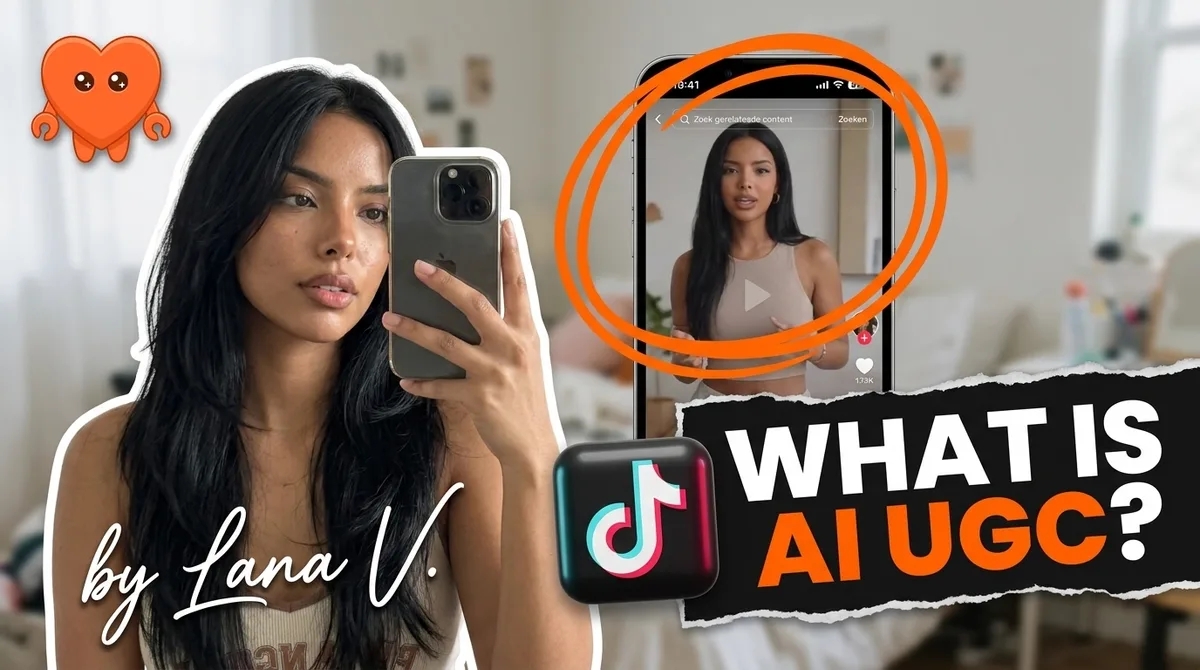
AI UGC (AI user-generated content) is content produced by AI tools that looks and functions like organic creator content, whether a brand ad or a monetized character account. In 2026, the term covers two distinct business models. This guide clarifies both, then focuses entirely on the one with the highest potential for independent operators: building and monetizing an AI character as a subscription creator business on your own machine.
If you are an indie hacker or creator exploring this space, here is the short version: the business model is real, the platforms that support it exist, and the main operational challenge is running it efficiently at scale without handing your credentials to a cloud service you cannot control.
The two meanings of AI UGC (and why this guide focuses on one)
AI UGC means two different things depending on who is using the term, and the distinction matters before you build anything.
Sense 1: AI-generated UGC-style ads. Brands use AI tools to produce short video ads that mimic the authentic, lo-fi aesthetic of real creator testimonials. These are for paid advertising on TikTok, Instagram, and YouTube. The content looks like organic user reviews but is entirely generated, often without a real creator involved at all. This is the sense used in most marketing and e-commerce circles.
Sense 2: AI UGC creator or AI character. A creator or operator builds a digital persona whose content is produced by AI image and video tools, then monetizes that character through subscriptions, pay-per-view (PPV) content, and direct messages on platforms like Fanvue. The persona has a consistent look, a defined personality, and a real audience of paying subscribers. This is a creator business, not an advertising product.
This guide is about sense 2. The business model is straightforward: build a character people want to subscribe to, produce content consistently, and run the account operations well enough that subscribers stay and buy PPV. The rest of this article walks through how to do that.
What makes an AI character business work
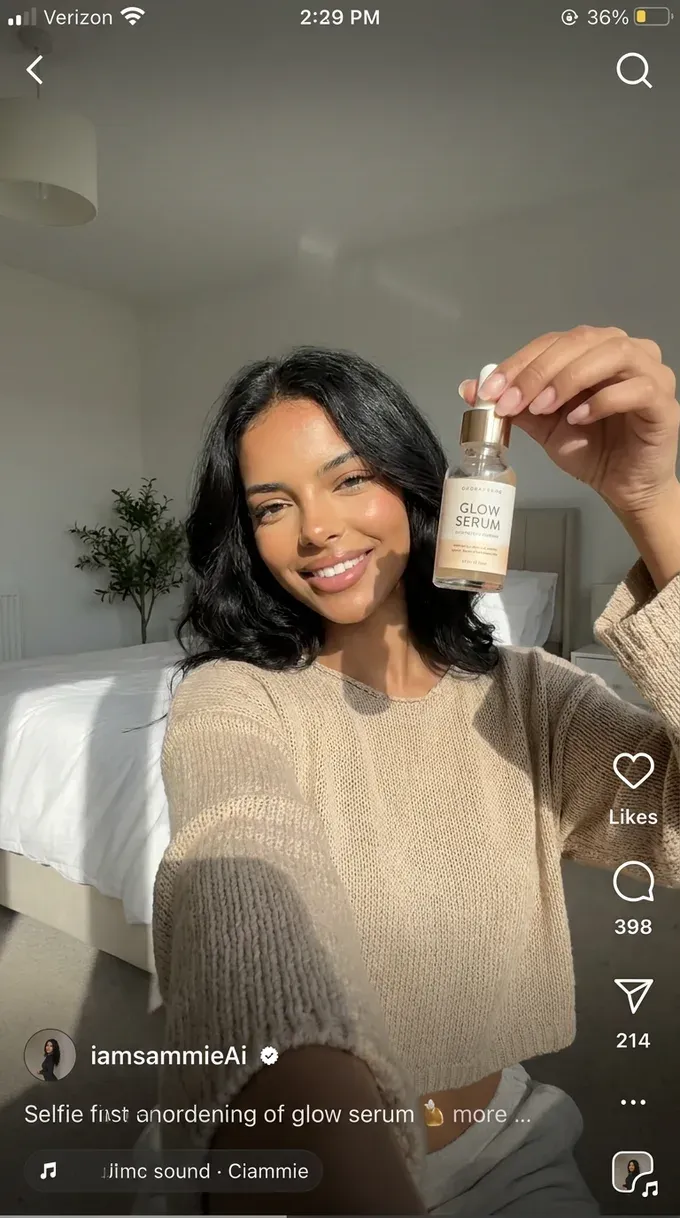
An AI UGC character business is a subscription creator operation where the content is produced by AI image and video tools instead of a human on camera. A real operator manages the persona, the posting schedule, the DM inbox, and the monetization strategy. The AI removes the production bottleneck. It does not remove the need for strategy, consistency, or fan relationships.
The accounts that succeed share a recognizable set of traits:
- A defined niche and consistent aesthetic. Fans subscribe to a visual and personality style they recognize and return to. Generic looks and vague niches produce weak subscriber retention.
- A stable character identity. The character's name, backstory, editorial tone, and visual references are documented in a brief that every piece of content answers to. Drift in the character's look or voice breaks the fan relationship.
- Regular posting cadence. Subscription platforms reward consistency. Accounts that post irregularly lose subscribers faster than they gain them.
- An active DM presence. The DM inbox is the primary revenue lever on most subscription accounts. A fan engaged in conversation buys more PPV and renews longer.
- Platform-compliant disclosure. Fans who feel deceived about what they paid for drive chargebacks and account reports. Disclosure is both the ethical and practical requirement, not a technicality.
The AI character business is not a passive income machine. It is a creator business where the production bottleneck is solved by tools, but the operations require the same discipline as any well-run account.
How to build an AI character: the character bible
Before opening any generation tool, write the character document. This single reference file is what keeps the character coherent across hundreds of pieces of content and thousands of fan messages. Operators who skip this step produce content that looks like a random sample folder, not a recognizable persona.
Define the niche first. The niche is the lens through which everything else is decided. Fitness, cosplay, fantasy illustration, fashion editorial, lifestyle travel: pick something narrow enough to be recognizable to a specific audience. Broad niches are hard to build a fanbase around because there is nothing for fans to identify with.
Build the visual identity. Decide the character's physical appearance, style references, color palette, recurring visual motifs, and the types of settings that fit the persona. Consistency in visual output requires making these decisions in advance and treating them as constraints, not suggestions.
Write the editorial voice. How does the character communicate with fans? Warm and approachable, cool and aspirational, playful and casual? The written voice matters as much as the visual style because it is what fans interact with in the DM inbox. An AI character with strong visuals and generic, off-brand DM responses churns subscribers.
Document it all. One short reference file you return to every time you produce content or draft a fan message. Call it the character bible, the persona document, or whatever name works for your workflow. The discipline of using it is the difference between a coherent brand and a collection of images.
Where to monetize your AI character in 2026
Platform selection for an AI character is a policy question, not a preference question. The platforms differ substantially in what they permit.
| Platform | AI content policy (2026) | Disclosure required | Fully synthetic persona allowed |
|---|---|---|---|
| Fanvue | Explicitly permitted | Yes, label all AI content | Yes |
| OnlyFans | Restricted and evolving | Yes, required as of 2026 | Partial (deepfakes prohibited) |
| Fansly | AI-generated content banned | N/A | No |
Fanvue is the standard starting point. It explicitly permits fully AI-generated images, videos, and personas. It offers a dedicated AI Creator designation at signup, requires clear and prominent disclosure on all synthetic content (watermark, caption, or bio statement), and charges only 15 percent for your first 12 months. On $4,000 per month in revenue, the first-year fee advantage is $200 a month you keep versus what OnlyFans would charge from day one. That compounds to $2,400 over the year.
OnlyFans works as a secondary platform for content that complies with its current policy. It allows AI-assisted content and requires disclosure as of 2026, but it prohibits deepfakes and restricts fully synthetic representations in ways that continue to evolve. Understand the current terms before publishing, and treat OnlyFans as an addition once your primary operation is stable on Fanvue.
Fansly has banned AI-generated content as of 2026 and is not a viable option for AI character operators.
The disclosure requirement is non-negotiable across all platforms. The label does not have to be prominent or intrusive, but it has to be there. Fans who discover after subscribing that the content is AI-generated and not disclosed have legitimate grounds to dispute charges, and the platform acts on those disputes.
The revenue model: subscriptions, PPV, and DMs
The revenue structure for an AI character account is identical to any subscription creator business. Three levers drive the income.
Subscriptions are the recurring baseline. Set the monthly price to match your content volume and niche. New accounts typically start lower to build the subscriber base, then raise the price as the content library and audience grow. The goal is a subscriber base that renews predictably every month.
Pay-per-view content is where individual premium pieces are sold at a one-time price on top of the subscription. A value ladder that converts consistently: $15, $25, $45, $70, $120. Photo sets typically price from $10 to $30; video content from $20 to $50. Adding one or two preview images to a PPV message can lift the unlock rate by 40 to 60 percent. Always factor in the 20 percent platform fee when setting prices, whether on Fanvue or OnlyFans.
Direct messages are the single biggest revenue lever on most accounts. A fan engaged in a real back-and-forth conversation buys more PPV, tips more, and renews longer. The DM inbox is also the most time-intensive part of running the account, which is why most operators who scale beyond a handful of subscribers use automation tools for the workflow.
The AI character business has one structural advantage over a real creator account: production is not a bottleneck. You can batch-generate content at whatever cadence the platform rewards, which means the DM inbox becomes the primary constraint, not the content calendar.
How to run the account day-to-day from your own machine
Producing the content is not the hard part. Running the account is: publishing on schedule, managing the inbox, sending PPV campaigns to the right fans at the right time, tracking what converts, and keeping everything consistent. At scale, that is a full operational system.
The most common mistake new AI character operators make is using cloud chatting services to handle the inbox. These services require your platform login and sign in as you from their own servers. That means a company you have never met holds your account credentials, reads your private fan conversations, and can take actions on your account. If their infrastructure is compromised or their business changes, your account is exposed.
The safe approach is software that runs on your own machine. When the operations tool operates locally, your login never leaves your laptop, your fan messages are never sent to a third-party server, and no outside company can access your account or earnings data.
FanClaw is a local-first app that runs the operations layer of a creator business entirely on your machine: posting, DM management, PPV campaigns, fan re-engagement, and acquisition across OnlyFans, Fansly, Instagram, X, TikTok, Reddit, and Telegram. It does not run Fanvue, so a Fanvue account stays yours to manage. Your credentials stay on your machine. Your fan data never leaves it.
FanClaw does not generate images or video. It is the operations layer, not the production layer. You produce the character's content with AI image and video tools. FanClaw runs the account once the content exists: scheduling posts, handling the inbox, sending mass messages, and surfacing what is working so you can produce more of it.
For a detailed walkthrough of the full setup, including how to structure the persona and which platforms to prioritize, see create an AI influencer. When you are ready to run the operations on your own machine, download FanClaw and start a session on your real accounts.
Running the full operation: what the stack looks like
Putting the pieces together, a functioning AI character business in 2026 follows this structure:
- Character bible defines the niche, visual identity, backstory, and editorial voice. This is the reference for every content decision and every fan message.
- AI image and video tools produce the content library at the cadence the publishing calendar requires. Batch production in advance gives you a buffer and eliminates deadline pressure.
- Fanvue hosts the primary subscription account, with AI disclosure in place from day one. OnlyFans added as a secondary channel if and when the content strategy is confirmed to comply with current policy.
- Social platforms (Reddit, Instagram, X, TikTok) run teaser content and audience acquisition in parallel. Reddit drives 35 to 45 percent of new subscribers for many creators running this model. Consistency and volume matter more than individual post performance.
- FanClaw runs locally on the operator's machine and handles the operations: publishing, inbox, PPV campaigns, and fan re-engagement on OnlyFans, Fansly, and the social platforms (not Fanvue). Credentials never leave the machine.
The accounts that succeed long-term are not the ones with the best-looking AI images. They are the ones with the most consistent operations: posting on schedule, responding in the inbox, sending PPV to the right fans at the right time, and never giving the platform a reason to act on the account.
That is a systems problem, not a creative one. The production layer and the operations layer are separate concerns, and treating them as separate is what makes the business sustainable.
Frequently asked questions
AI UGC (AI user-generated content) has two common meanings. In advertising, it refers to AI-generated video ads that mimic the authentic, lo-fi style of real creator testimonials. In the creator economy, it refers to a monetized AI character or persona whose content is generated by AI tools and sold to subscribers via platforms like Fanvue or OnlyFans. This article focuses on the second meaning: building and monetizing an AI character as a creator business.
A UGC AI character is a digital persona built entirely from AI-generated visuals and operated like a subscription creator account. The character has a defined personality, a consistent visual style, and a published library of content. A real person or small team manages the business side: posting, fan conversations, and monetization. The AI removes the production bottleneck; it does not replace the operator.
Fanvue is the most AI-friendly major subscription platform in 2026 and is the standard starting point for AI character operators. It explicitly permits fully AI-generated personas, requires clear disclosure labeling, and charges only 15 percent for the first year. OnlyFans allows AI-assisted content with disclosure but restricts deepfakes and fully synthetic accounts in some forms. Fansly has banned AI-generated content.
Yes, on every platform and to every subscriber. Fanvue requires a prominent AI disclosure on all synthetic content. OnlyFans requires disclosure as of 2026. Beyond platform rules, undisclosed AI content leads to chargebacks and account reports, both of which carry real consequences. Disclosure is the ethical and practical standard for any AI character operation.
Revenue depends on niche, posting consistency, DM conversion, and PPV pricing, not on whether the content is AI-generated or real. Established AI character accounts running on Fanvue follow the same revenue model as human creator accounts: monthly subscriptions, pay-per-view content at tiered prices, tips, and custom requests. The DM inbox is where the majority of revenue is generated on most successful accounts.
Yes. Automation of welcome messages, follow-up sequences, and mass messages is widely permitted on subscription platforms. The method matters: tools that run on your own machine, with your login never sent to a third-party server, are the safe approach. Cloud chatting services that sign in as you from their servers create account risk and hand your credentials to an outside company.
AI UGC ads are AI-generated short videos that look like organic creator testimonials, used by brands for paid advertising on TikTok and Instagram. AI UGC creator content is a monetized persona or character whose ongoing content is AI-generated and sold to subscribers on platforms like Fanvue. They share terminology but are completely different business models.
You need two types of tools: a production layer and an operations layer. The production layer is AI image and video tools that generate the character's content. The operations layer is software that publishes the content, manages the DM inbox, sends PPV campaigns, and handles fan re-engagement. These are separate concerns. FanClaw is the operations layer: it runs locally on your machine and never requires you to hand your login to a third party.