OnlyFans chargebacks: how to prevent and dispute them
An OnlyFans chargeback claws back money you already earned and can risk your account. Here is how chargebacks work, how to prevent them, and how to dispute them.
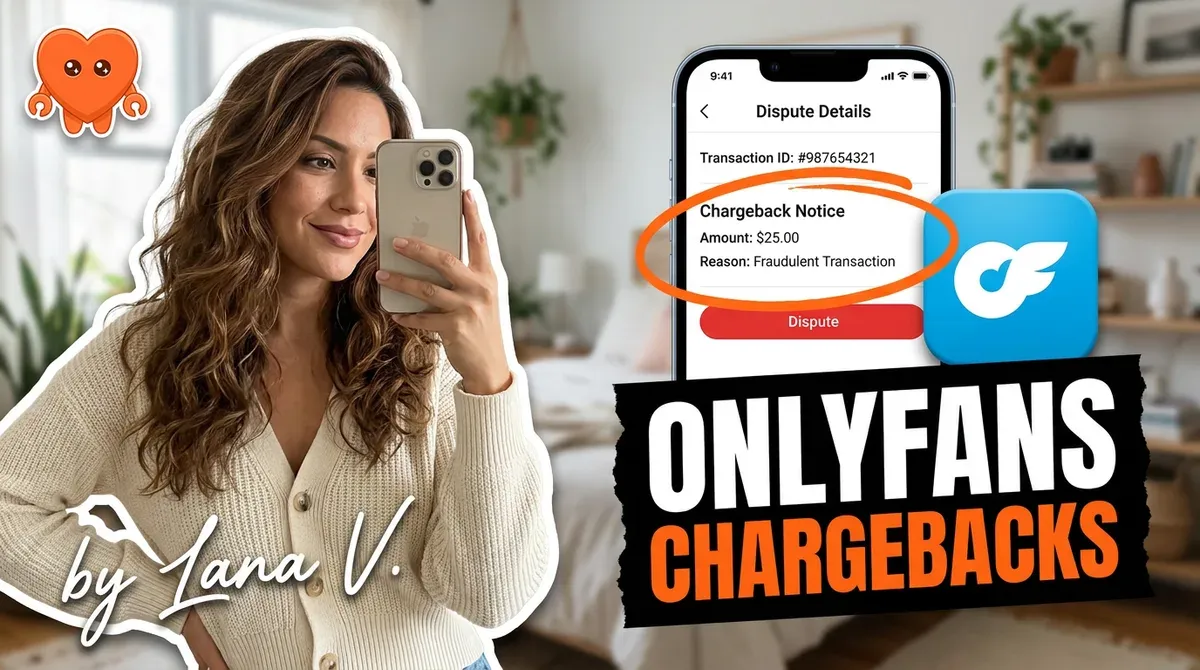
An OnlyFans chargeback is when a fan disputes a real purchase with their bank, and the bank claws the money back from you, usually with a fee on top, while the fan keeps the content. Most are friendly fraud: a genuine buyer simply lying to their bank. You have limited recourse once a chargeback lands, and too many can put your account at risk, so the whole game is prevention. This guide explains how chargebacks work, the specific habits that prevent them, and how to dispute the ones you cannot avoid.
What is an OnlyFans chargeback?
A chargeback is a forced reversal. Instead of asking you for a refund, a fan goes to their bank and disputes the charge. The bank pulls the money back out of your balance, often adds a fee, and the fan keeps whatever they already received. It is the key difference from a refund: a refund is something you choose to give, while a chargeback is something the bank does to you, frequently without warning.
Most chargebacks are not stolen cards. They are friendly fraud, a real buyer who made the purchase and then disputes it anyway, claiming they did not recognize the charge or did not get what they paid for. Because the buyer is genuine, these are hard to fight after the fact. That is the uncomfortable core of the problem: the system lets a fan consume your content and then take the money back, and your best defense is making it not happen in the first place.
How chargebacks hurt creators
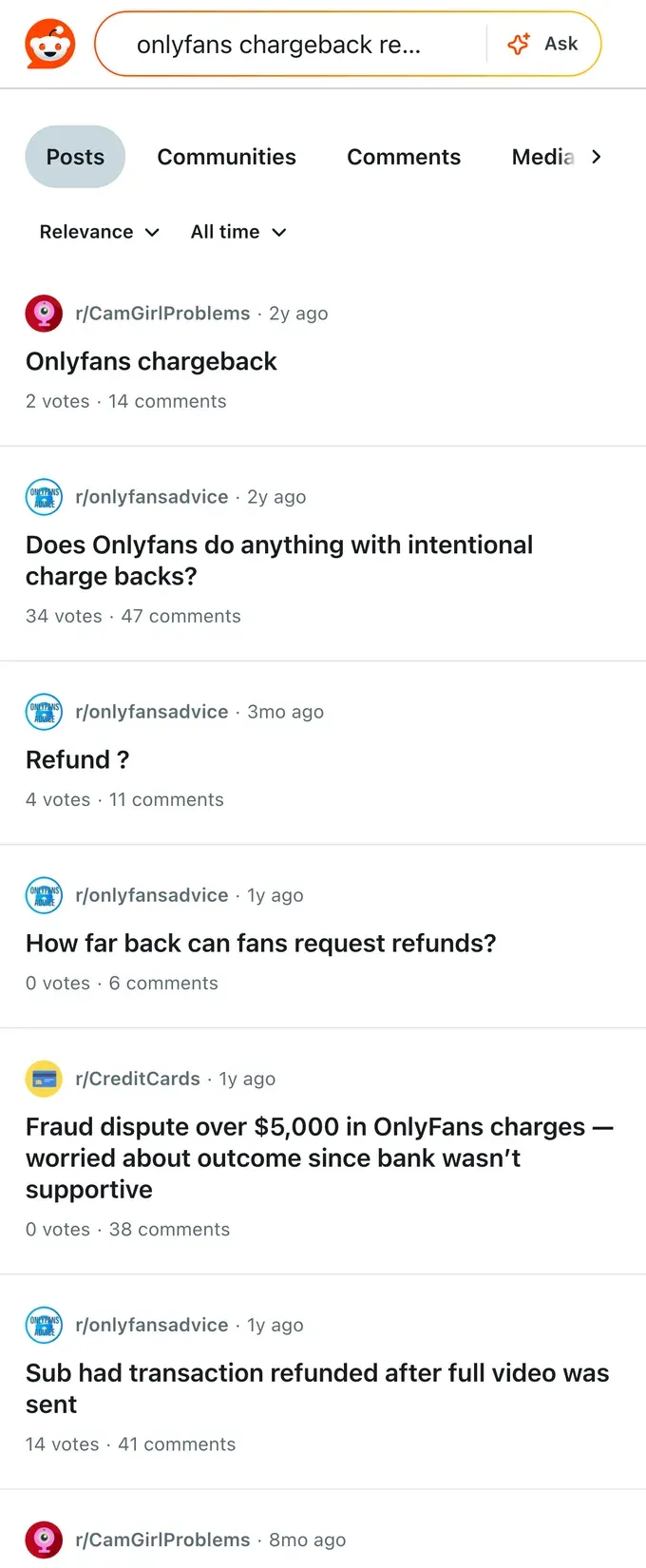
A chargeback costs you three times over. First, the money: the original payment is reversed, usually with a fee added, so you end up worse off than if the sale never happened. Second, the content: the fan keeps it, so you delivered work for free to someone actively cheating you. Third, and most dangerous, your standing with the platform.
OnlyFans watches your chargeback ratio closely. Too many disputes signal risk, and the platform can flag or suspend an account whose chargeback rate climbs too high, often cited around 1 percent of transactions, with some creators reporting trouble after just a few in a single month. That turns a revenue annoyance into an existential one: enough chargebacks and you do not just lose money, you can lose the account. Which is exactly why the rest of this guide is about preventing them.
How to prevent chargebacks
Prevention is a set of habits, not a single trick. Stack these and your exposure drops sharply:
- Take 50 percent upfront on customs. For new fans ordering custom content, collect half before you start. It filters out bad actors and limits the loss if one disputes.
- Keep every payment on-platform. On-platform transactions are documented and disputable; off-platform payments have no recourse at all.
- Watermark your content and limit easy downloads, so disputed content is at least traceable to the buyer.
- Document everything. Save timestamps, message records, and proof of delivery for paid content. This is your evidence if you have to dispute.
- Set clear refund expectations in your bio and welcome message, so disputes are less likely to start.
- Avoid high-risk users. A fan who haggles, pressures, or pushes off-platform is a chargeback waiting to happen.
One more, related to the broader scam landscape: chargeback fraud often travels with the other scams that target creators, so the same vigilance applies. Our guide to the OnlyFans scam playbook covers the wider set of fraud to watch for.
How to dispute a chargeback
When a chargeback lands anyway, you can dispute it through the platform's resolution process, and your evidence decides the outcome. Submit everything you have: screenshots of the conversation, proof that you delivered the content, timestamps, and your stated refund policy. The cleaner and more complete your documentation, the better your odds.
Be realistic, though. Disputes are not guaranteed wins, especially against friendly fraud where the buyer is real. There is also a middle path worth using before it reaches the bank: if a fan complains, a proactive partial refund often satisfies them and stops the dispute entirely. A small refund you control beats a full chargeback you do not, with its fee and its hit to your ratio.
Protecting your account and your income
The thread through all of this is records and control. Chargebacks are won or prevented by documentation, the timestamps, the delivery proof, the message history, and by keeping money where you have recourse. Creators who lose to chargebacks are usually the ones with no records and payments scattered off-platform.
This is where running your business from one place pays off. FanClaw is a local-first app that runs a creator's DMs and sales from her own machine and keeps that history on it, so your messages and your sales record live in one place you control rather than scattered across apps. When you do have to dispute a chargeback, those records are what you draw on, and download FanClaw keeps them on your side. For the payout side that chargebacks pull from, OnlyFans payment methods covers how the money actually moves.
Frequently asked questions
A chargeback is when a fan disputes a real transaction with their bank instead of asking you for a refund. The bank reverses the charge and pulls the money back from you, usually adding a fee, while the fan keeps whatever content they already received. It is different from a refund, which you control; a chargeback is forced on you by the bank.
Friendly fraud is when a genuine buyer disputes a charge they actually made, claiming they did not recognize it or did not receive what they paid for, even though they did. It is the most common kind of chargeback creators face. It is hard to fight because the buyer is real, which is exactly why prevention matters more than disputing after the fact.
Three ways. You lose the money plus a fee. The fan keeps your content. And your chargeback ratio takes a hit, which OnlyFans monitors closely. Too many disputes can flag or suspend your account, with some creators reporting suspension after just a handful in a single month. So a chargeback is both a revenue loss and an account risk.
Take 50 percent upfront from new fans on custom content, keep every payment on the platform, watermark your content, and document each transaction with timestamps and message records. Set clear refund expectations in your bio and welcome message, and avoid high-risk users. None of these is perfect alone, but together they cut your exposure sharply.
Yes, through the platform's resolution process. Provide your evidence: screenshots of the conversation, proof you delivered the content, timestamps, and your stated policies. Your success rate is much higher when you have clean documentation of the transaction and any communication with the subscriber. Disputes are not guaranteed wins, which is why prevention comes first.
Often yes. If a fan complains about a purchase, offering a partial refund frequently satisfies them and stops them from going to their bank, which protects both your revenue and your chargeback ratio. A small refund you control is almost always better than a full chargeback you do not, plus the fee and the account-risk that come with it.
OnlyFans does not publish an exact number, but it watches your chargeback ratio and typically acts when it exceeds around 1 percent of transactions. Some creators report scrutiny or suspension after just three or four chargebacks in a single month. The safe assumption: even a few in a short window is a problem, so keep your rate as close to zero as you can.