AI influencer generator: how to make one (2026)
AI influencer generators compared: the tools that build a consistent AI persona in 2026, what to look for, and how to actually run the account once you have one.
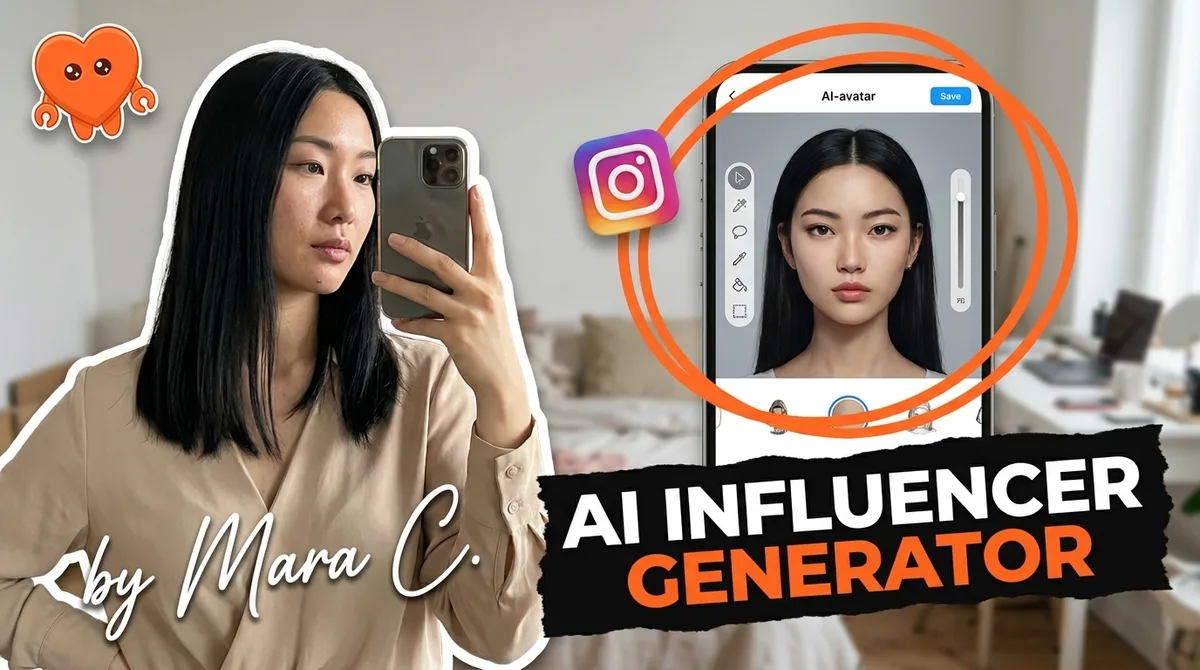
An AI influencer generator is the tool that builds the persona: the consistent face, aesthetic, and visual identity your AI account posts. In 2026, there are several capable options across different price points and content formats. But the generator is only the first half of the operation. This guide reviews the main generation tools, explains what to look for before you pay, and covers the workflow for running the account once the content exists.
What an AI influencer generator actually does
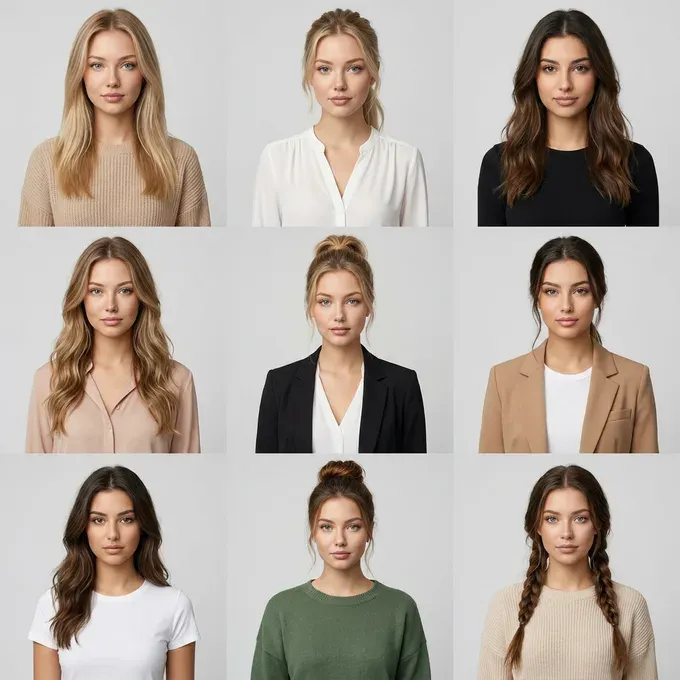
An AI influencer generator produces synthetic images or videos of a consistent digital persona. You define the character: appearance, style, setting, mood. The tool renders the outputs using frontier image or video models. The better generators maintain visual consistency across hundreds of generations, so your content library looks like the same person rather than a collection of unrelated images.
That is the production layer. It is entirely separate from the operations layer: the scheduling, posting, inbox management, and monetization that actually makes the account a business. Confusing the two is the most common mistake new AI influencer operators make. A good generator does not run your DMs. An operations tool does not generate your content. You need both, and they are different categories of software.
The three things a generator must do well:
- Produce a recognizable, consistent persona. Fans follow a specific face and aesthetic. If each batch of content looks like a different person, the account cannot build a real audience.
- Give you control over output. Style, pose, setting, expression. The more control you have, the more you can produce content that fits your editorial calendar rather than whatever the model decides.
- Operate within a content policy you can actually work with. Some generators are SFW-only. Others permit adult content with age verification. Know the policy before you commit.
What to look for in a generator
Character consistency technology. This is the single most important feature. Look for tools that explicitly address how they maintain appearance across generations. Terms like "character locking," "face anchoring," "reference seed," or "character ID" indicate the tool has addressed this problem. Tools that do not mention it probably have not solved it.
Content policy and platform coverage. Some generators restrict output to SFW content. Others support adult content under verified accounts. Match the tool's policy to the platform you are publishing on. If you are running a subscription account on a platform that permits explicit content, a generator that only produces SFW output limits your content strategy.
Resolution and format options. Subscription platforms like Fanvue and OnlyFans expect high-resolution output. Social platforms need different aspect ratios and formats. The generator should produce output that goes directly into your content pipeline without a separate upscaling or reformatting step.
Cost structure. Generators charge per generation, per month at a volume tier, or some combination. Model out your actual publishing cadence before choosing a plan. A creator posting daily to two platforms with a PPV library needs significantly more generation capacity than one posting three times a week to a single platform.
Prompt and style control. The ability to save reference prompts, style presets, and character anchors determines how efficiently you can produce new content. Operators managing a consistent publishing cadence need to generate in batches without rebuilding the character definition each time.
The main AI influencer generators compared
Here is a fair snapshot of the current field. Features and pricing change; treat this as a positioning guide, not a billing quote.
| Generator | Best for | Video | Face consistency | Content policy | Starting price |
|---|---|---|---|---|---|
| Higgsfield | Video-forward accounts, cinematic content | Yes (primary) | Character-locking tech | SFW + adult (verified) | ~$6/month |
| Glambase | Subscription monetization, image-first | Limited | Yes | Adult content supported | ~$15/month |
| Sozee AI | Image-first, fashion and lifestyle aesthetics | No | Moderate | SFW + restricted adult | ~$20/month |
| Fanvue Creator Tools | Fanvue-hosted AI accounts | No | Platform-native | Platform AI policy | Included with Fanvue |
| General frontier image tools | Full control, custom pipelines | Via external tools | Via workflow setup | Depends on provider | Varies |
Higgsfield
Higgsfield's AI Influencer Studio is built around video-first content with cinematic output. Its character-consistency system (marketed as Higgsfield Soul) maintains a persona's appearance across generated videos, which is the main technical challenge for video influencer accounts. It includes 70-plus camera preset styles and a built-in creator earnings program funded by brand partnerships. For operators who want polished video output and are willing to invest in learning the tool, it is the strongest option in the video-forward category. Plans start at approximately $6 per month, with professional tiers significantly higher.
Glambase
Glambase is designed explicitly for subscription-style monetization. It handles character design, image generation, and includes a built-in autonomous fan chat layer that can interact with followers without the operator managing each conversation manually. The trade-off is that Glambase is a cloud service: if you use its fan chat feature, your platform credentials and fan interactions are on its servers. Many operators use Glambase for content production only and handle operations separately. Plans start around $15 per month, with the professional tier at approximately $50 per month.
General frontier image models
Operators who want maximum control over output often build their own production pipeline using frontier image models accessed via API, combined with custom character references and style guides. This approach requires more technical setup and produces no built-in character-consistency guarantee, but it gives complete control over output, no content policy restrictions from a third-party generator platform, and no vendor lock-in. It is the approach used by most accounts scaling to high-volume production.
The workflow: generation into operations
The workflow for an AI influencer account has two distinct phases. Getting the sequence right from the start saves significant rework later.
Phase 1: Build the persona and production pipeline.
- Write the persona document: name, visual identity, niche, aesthetic references, written voice. This is the brief every piece of content answers to.
- Choose and configure your generator. Set up character references, seed images, and style presets. Produce a test batch of 20 to 30 images and review for consistency before committing to a publishing schedule.
- Build a content buffer. Start with at least two to three weeks of scheduled content before you launch. Subscription platforms reward consistent posting; running out of content in week two is a common early failure mode.
Phase 2: Set up the operations layer and publish.
- Configure your subscription platform account (Fanvue for AI-primary accounts; OnlyFans as a secondary once you understand its current AI content policy). Set up disclosure labeling as required by each platform.
- Set up the operations tool that will handle posting, the DM inbox, PPV campaigns, and fan re-engagement. This is a separate category of software from your generator.
- Run the full account from your own machine. The fastest way to create platform risk is handing your login to a cloud chatting service that signs in as you from its servers. Your credentials and fan data should stay local.
For more detail on the persona-building and platform-selection steps, see create an AI influencer.
The operations layer: what runs the account once you have a persona
Generating the content is the production job. Running the account is a different job entirely: publishing on schedule, managing the DM inbox, sending PPV to the right fans at the right time, monitoring what converts, and keeping engagement consistent.
At scale, the DM inbox alone is the biggest revenue driver on most subscription accounts. A fan in a conversation buys more PPV, tips more, and renews longer. Handling that inbox manually for an AI influencer account is the same burnout problem every solo creator faces. A $50 custom that sits unanswered for eight hours goes cold. Multiply that across hundreds of subscribers in different time zones and the lost revenue compounds quickly.
The operations stack for a serious AI influencer account covers several distinct jobs:
- Posting and scheduling. Publishing consistent content across subscription platforms and social acquisition channels on a reliable calendar.
- DM inbox management. Welcome messages, follow-up sequences, PPV pitches personalized to each fan's history, and re-engagement for subscribers who have gone quiet.
- Fan analytics. Who are the top spenders? Who has gone quiet after one month? What PPV price points are converting? Without a structured view of this data, you are making decisions blind.
- Mass messages and PPV campaigns. Broadcasting a new piece of content with a price that accounts for the 20 percent platform fee OnlyFans takes from creator earnings, with preview images that lift the unlock rate.
The right operations setup runs on your own machine. When the software operates locally, your credentials never leave your laptop, your fan conversations are never read by an outside server, and no third party can access your platform account or earnings data. This is not a theoretical concern: cloud chatting services that sign in as you from their servers are a real credential exposure, and platforms including OnlyFans have flagged accounts for unusual sign-in patterns originating from those services.
FanClaw is a local-first app that runs the operations side of a creator business: posting, DMs, PPV campaigns, acquisition, and monetization across OnlyFans, Fansly, Instagram, X, TikTok, Reddit, and Telegram. It does not run Fanvue, and it does not generate images or video. It is the layer that runs after the generator has done its job, handling everything from the editorial calendar to the inbox to the re-engagement sequences, all from your own machine with your data staying local. You can download FanClaw and run a full trial before committing.
Disclosure: the requirement you cannot skip
Every platform that permits AI influencer accounts requires disclosure. This is not optional, and it is not a formality.
Fanvue requires a clear and prominent disclosure on all AI-generated content, either as a watermark, caption label, or persistent bio statement. OnlyFans requires AI disclosure as of 2026. Instagram and TikTok both have synthetic media labeling requirements under their policies, and TikTok requires creators to label realistic AI-generated images, audio, or video so viewers know when content was created or significantly edited with AI. Beyond platform rules, fans who discover undisclosed AI content after subscribing file chargebacks and reports at a high rate, both of which damage your account standing.
Build disclosure into the account setup before you publish the first piece of content. On Fanvue, use the dedicated AI Creator designation at signup. On OnlyFans, include a clear statement in the bio and on content that is AI-generated. On social platforms, apply the platform's synthetic media label to every generated post.
Running disclosure correctly is not a constraint on the business. It is a durability requirement. The accounts with the best long-term retention are the ones where fans know what they are paying for and pay for it anyway because the content and the persona are genuinely compelling.
The generator builds the persona. The operations layer runs the business. Both pieces need to be right, and they are separate decisions. For the production side, choose based on character consistency, content policy, and the format your platform requires. For the operations side, choose based on where your credentials and fan data live: on their servers, or on yours.
Frequently asked questions
An AI influencer generator is a tool that creates a synthetic persona: consistent visual appearance, customizable aesthetic, and in some cases a personality profile. The output is a library of images or videos you can publish on social or subscription platforms. The generator handles production; you still need a separate operations layer to run the account, manage DMs, and monetize the audience.
Higgsfield is the strongest all-in-one option for video-forward AI influencer content, with character-consistency technology and a large preset library. Glambase is purpose-built for subscription-style monetization and includes autonomous fan chat. The right choice depends on your content format: video-first vs. image-first, and whether you want the generator to also handle fan interactions or prefer a separate operations tool.
Entry-level plans on most generators start between $15 and $60 per month. Professional-tier setups with higher generation volumes, better consistency tooling, and more control over output typically run $150 to $300 per month. These costs cover content production only. Account operations (posting, DMs, monetization) are handled by a separate tool.
Yes, on every platform. Fanvue requires a clear and prominent disclosure on all AI-generated content. OnlyFans requires AI disclosure as of 2026. Instagram and TikTok have labeling requirements for AI-generated content under their synthetic media policies. Undisclosed AI content drives chargebacks and account suspensions on subscription platforms. Disclosure is both the ethical and practical requirement.
Some generators, like Glambase, include a built-in fan chat layer. Most do not. And even the ones that do are cloud services holding your platform credentials, which creates account security exposure. Many operators separate the two jobs: a dedicated generator for production, and a local operations tool that runs posting, DMs, and monetization from their own machine without handing login credentials to a cloud service.
Face consistency is the ability to generate new images or videos that look like the same person across hundreds of outputs. It is the main technical challenge in AI influencer production. Without it, your content library looks like different people, which breaks fan recognition and reduces conversions. The best generators maintain consistency via seed images, reference anchors, or proprietary character-locking technology.
Yes, with conditions. You must own or have licensed the training data and outputs the generator produces. You must comply with each platform's terms on synthetic content, including disclosure requirements. You cannot use AI tools to generate synthetic representations of real identifiable people without documented consent. Within those rules, AI influencer operations are a legal and growing business model.
FanClaw is a local-first app that runs the operations side of a creator business: posting, DMs, PPV campaigns, and monetization across OnlyFans, Fansly, Instagram, X, TikTok, Reddit, and Telegram. It does not run Fanvue, and it does not generate images or video. It is the tool you use after your generator has produced the content. FanClaw runs on your own machine so your credentials and fan data never leave it, which eliminates the cloud login exposure that affects most chatting and management services.