Is FeetFinder legit? an honest 2026 review
Yes, FeetFinder is a legitimate marketplace running since 2019. Here is how it works, what the fees really cost, and whether it is worth it versus OnlyFans.
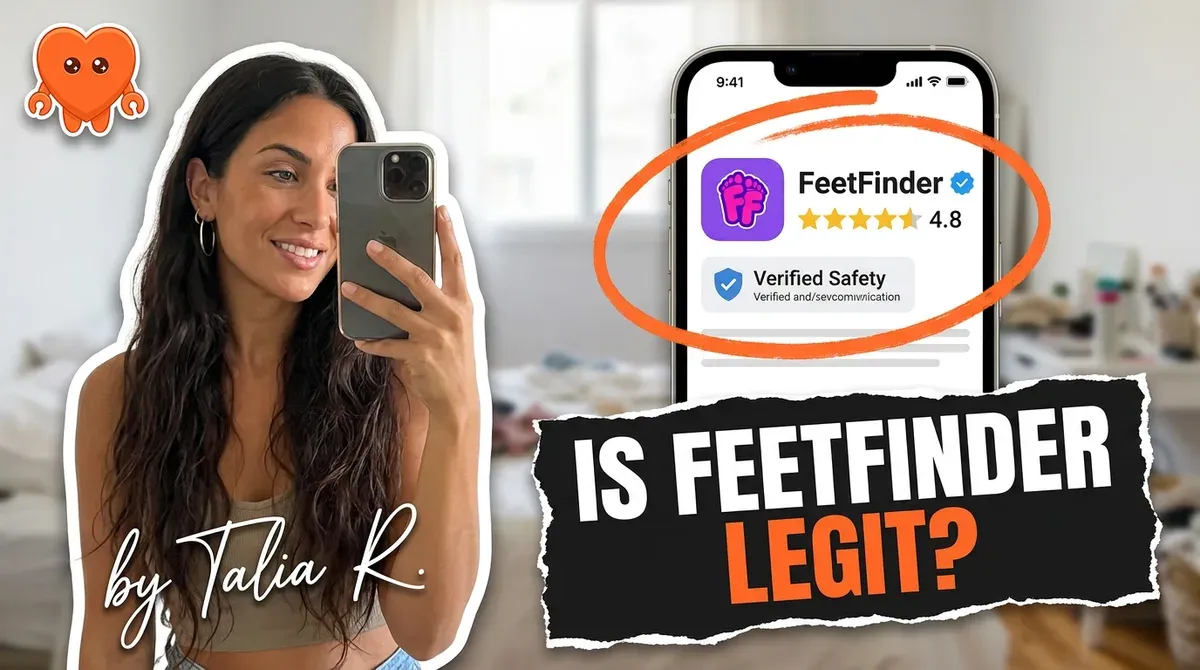
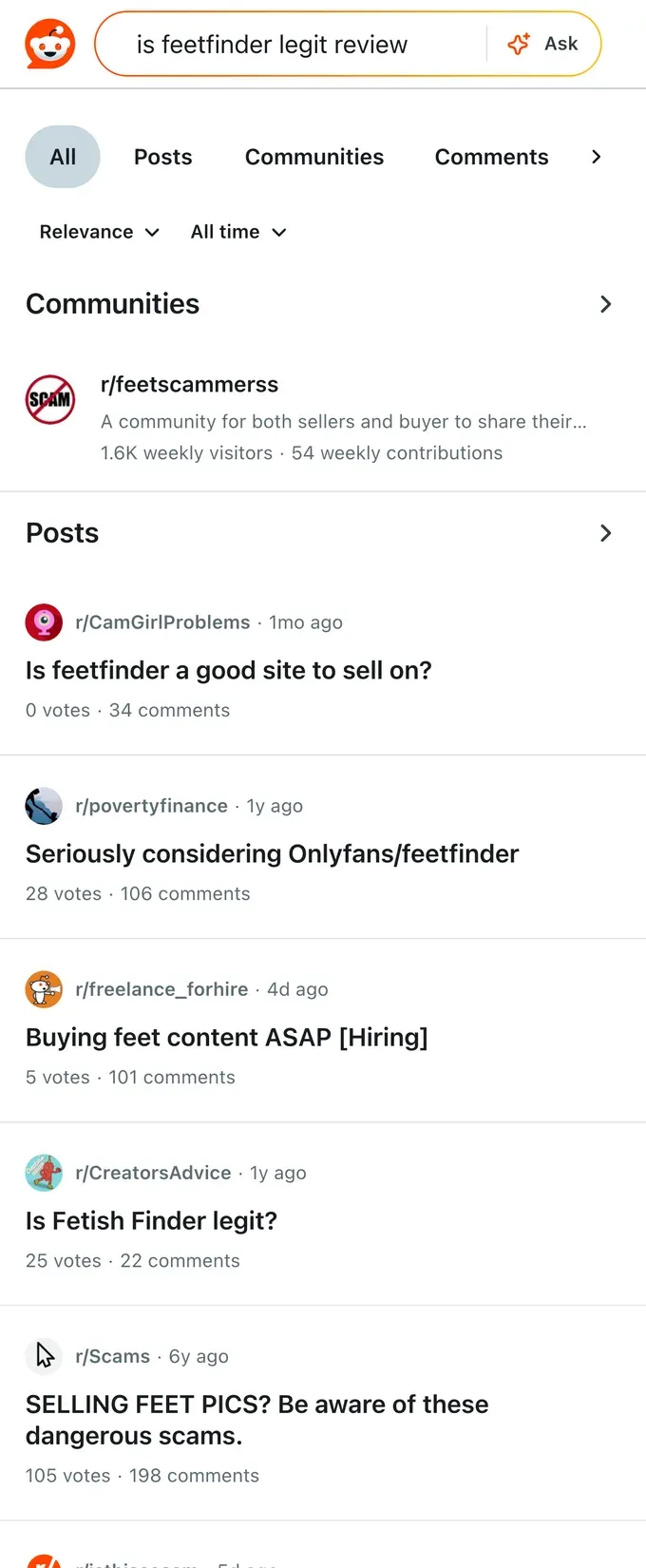
Yes, FeetFinder is legitimate. It is a dedicated feet-content marketplace that has operated since 2019, verifies both sellers and buyers by ID, and processes every payment through PCI-compliant gateways, so you never touch a buyer's card details. The scam stories almost always trace back to buyers trying to lure sellers off the platform, not to the platform itself. What "legit" does not mean is "guaranteed money," and that distinction is the whole point of this review.
Below is how FeetFinder actually works, what the fees really cost you, how it compares to OnlyFans, and who it is genuinely worth it for.
Is FeetFinder legit and safe?
FeetFinder is legit. Running since 2019, it sits among the established names in the feet-content space, and its core safety design is sound: the platform holds the buyer's payment, releases it on delivery, and keeps your banking information private. Because payments are PCI-compliant, sellers never handle card data directly, which removes a whole category of fraud that plagues social-media selling.
The safety the platform cannot provide is identity protection, and that part is on you. ID verification stops anonymous scammers from posing as buyers, but it does not hide your face or name from the content you post. Use a pseudonym with no ties to your real identity, keep your face and any distinctive marks out of frame, and never let a buyer pull you into a personal chat or payment app. The platform protects the money. You protect the person.
One honest caveat: a legitimate platform is not a promise of income. FeetFinder is real, it pays, and it is safe to use. Whether you earn on it depends on the same things any marketplace rewards, which is consistency, presentation, and the willingness to upsell.
How does FeetFinder work?
FeetFinder is a two-sided marketplace: sellers post feet content, buyers browse and pay for it, and the platform sits in the middle handling verification and money. Both sides verify their identity and age before they can transact, which is the feature that makes it safer than an open social platform where anyone can pose as a buyer.
As a seller you set up a profile, pass verification, and list content: photo sets, videos, custom requests, and pay-per-view or message unlocks. Buyers pay through the platform, and you deliver through it. You can offer customs, which is where the better money lives, and you set your own prices. The mechanics are deliberately close to a subscription platform, minus the recurring subscription, which is exactly the gap you will want to close later.
FeetFinder fees and payouts
This is where "legit" meets "do the math." FeetFinder charges sellers in two ways, and you have to account for both before you price anything:
| Cost | Roughly | Notes |
|---|---|---|
| Seller subscription | ~$4.99/mo basic, up to ~$14.99/mo premium | Annual and longer plans listed; required to list content |
| Sales commission | A percentage of each sale | Reported figures vary by plan, so check the current seller agreement |
| Minimum withdrawal | ~$30 balance | Weekly payouts via Segpay or Paxum |
A worked example makes the floor clear. If you pay roughly $5 a month for the basic plan and the platform takes a cut of each sale, you need somewhere around $30 to $35 in monthly sales just to break even, before you have made a single dollar of profit. That is not a reason to avoid it. It is a reason to price your sets and customs with the fees built in, rather than discovering them after payout.
Two practical notes. First, some sellers have reported payments arriving slower than the promised weekly schedule, so keep your own records and do not treat your balance as instantly spendable. Second, the exact commission has been reported differently across plans and dates, so the only number you should trust is the one in the seller agreement on the day you sign up.
FeetFinder vs OnlyFans: which is better?
They are not competitors so much as two stages of the same business. FeetFinder is a marketplace built to put you in front of buyers who are already searching for feet content. OnlyFans is a subscription platform built to turn an audience into recurring monthly income. One finds buyers fast. The other keeps them.
| FeetFinder | OnlyFans | |
|---|---|---|
| Model | Pay-per-item marketplace | Monthly subscription |
| Discovery | Buyers search for feet content | You bring or build your own audience |
| Best at | Finding new feet-pic buyers | Recurring income from regulars |
| Niche fit | Feet content specifically | Any content, broader audience |
| Income shape | One-off sales | Compounding monthly revenue |
The smart play uses both. Find buyers on the marketplace, deliver well, and move your regulars to a subscription where they pay every month instead of per photo. A buyer who subscribes is worth many times a one-time sale, and you stop having to hunt for a new stranger every single day.
Is FeetFinder worth it, and who is it for?
FeetFinder is worth it if you treat it as a buyer-acquisition channel with real costs, not a guaranteed paycheck. For a beginner who wants built-in scam protection and a pool of buyers already looking for feet content, it is one of the best starting points there is. For someone expecting passive thousands, the fees and the crowded marketplace will disappoint.
Here is the honest split:
- Good fit: beginners who want protection and fast access to feet-content buyers, sellers who will upsell customs, anyone testing the business before going bigger.
- Poor fit: sellers who want recurring income without doing the conversion work, or who will not price the fees in.
Whichever stage you are at, the constraint becomes time, not demand. Replying to buyers, sending sets, and following up across a marketplace and a subscription page is hours of daily work, and the slowest reply loses the sale. This is where running the business from your own machine matters. FanClaw is a local-first app that handles a creator's messages, posting, and sales from her own hardware on OnlyFans, Fansly, Instagram, X, TikTok, Reddit, and Telegram, so your buyer list and earnings never sit on someone else's servers. It does not run FeetFinder, so marketplace buyers stay yours to answer. If you are scaling past one-off sales into a subscription page, download FanClaw and keep that side of the operation, and the margin, on your side. And if you have not picked your second platform yet, how to sell feet pics covers the safe marketplaces to pair with a subscription page.
Frequently asked questions
No. FeetFinder is a legitimate marketplace that has run since 2019, verifies both sellers and buyers, and processes payments through secure, PCI-compliant gateways. The scam complaints usually trace back to buyers trying to move off-platform or to sellers expecting guaranteed income. The platform itself is real and pays out.
Yes, it is one of the safer options because the platform holds the payment, keeps your banking details private, and requires ID verification on both sides. You never deal with a buyer's card directly. The main safety job left to you is protecting your identity: a pseudonym, no face or identifying marks, and never moving a conversation to a personal payment app.
Sellers pay a subscription to list content, commonly reported around $4.99 a month for a basic plan and up to about $14.99 for premium, with annual options. On top of that the platform takes a commission on each sale. Reports of the exact commission vary by plan, so check the current seller agreement before you sign up and factor both costs into your pricing.
Payouts run on a weekly schedule through secure processors like Segpay or Paxum, and you typically need a minimum balance (around $30) before you can withdraw. Some sellers have reported slower-than-promised payments at times, so do not count on instant access to earnings and keep your own records.
They do different jobs. FeetFinder puts you in front of buyers already searching for feet content, which is faster for a beginner. OnlyFans is built for recurring subscriptions, which is where steady income comes from. Many sellers use FeetFinder to find buyers, then move regulars to a subscription platform.
Yes. FeetFinder requires age and identity verification for sellers, and it verifies buyers too. That verification is a feature, not a hassle: it is part of why the platform is safer than selling on social media, where anyone can pose as a buyer with no accountability.
It is worth it if you treat it as a buyer-acquisition channel and price in the fees, not as a guaranteed income stream. The marketplace is crowded, so the sellers who do well are consistent, responsive, and upsell to customs and subscriptions. If you want one-off sales with built-in protection, it is a solid starting point.